Selected work – case study

Forest Studio Comporta, from vision to implementation.

A multi-age, bilingual, nature-connected and project-based learning environment. As Pedagogical Leader and Coordinator I designed its curriculum, programme content and implementation framework and coordinate its ongoing pedagogical development.
Setting
Multi-age, bilingual, nature-connected
Role
Pedagogical Leader & Coordinator
Status
Ongoing
Location
Comporta, Portugal
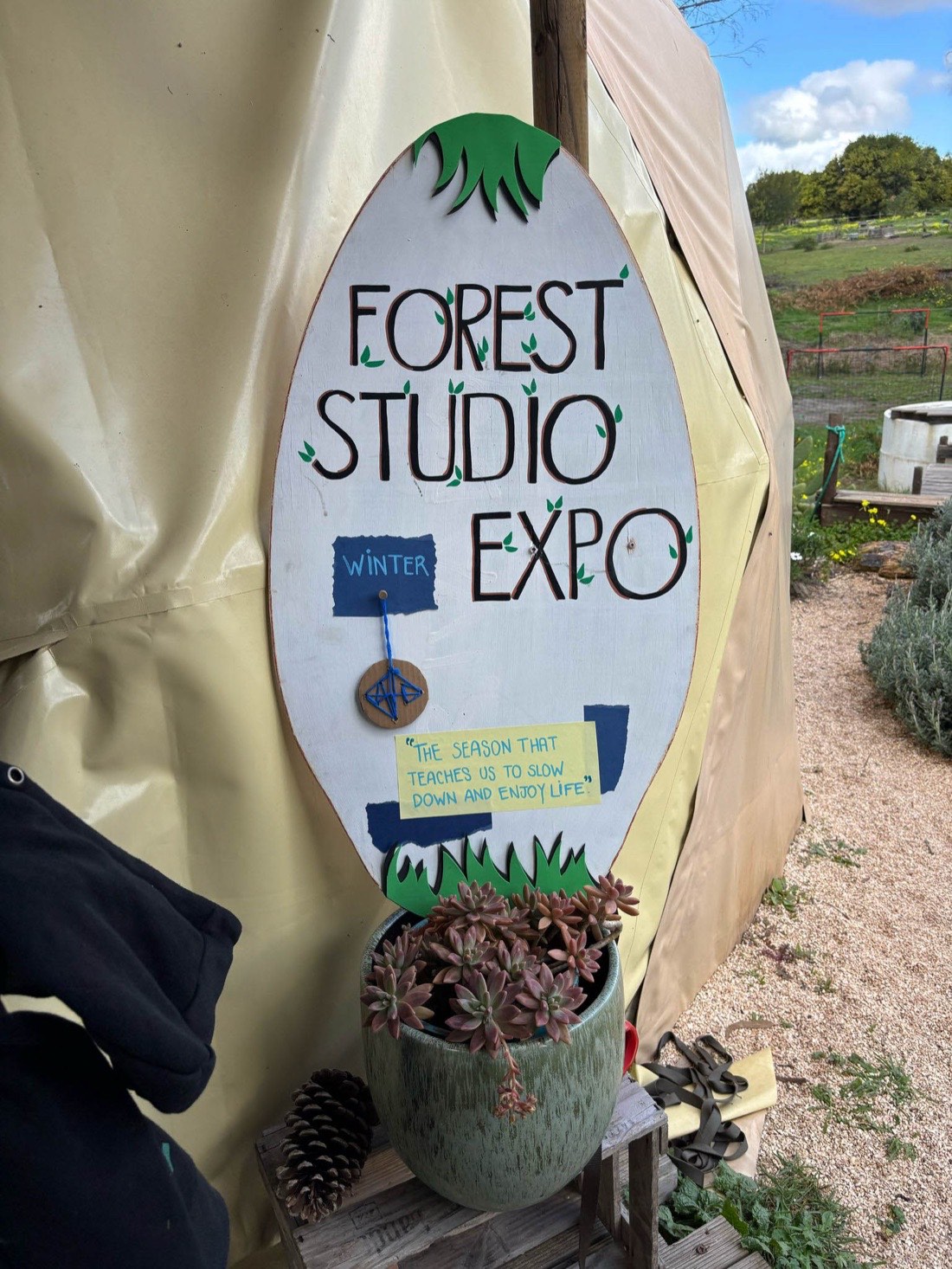
The hand-painted Forest Studio sign at the entrance to the learning environment in Comporta

Context

A small environment with big design questions.

Forest Studio developed as a small learning environment for children to learn through meaningful projects, focused academic practice, relationships, nature and community participation. The programme required a coherent curriculum, clear daily structures, shared adult tools, ways of noticing learning and ongoing development processes.

Educational intention

Connecting many dimensions of learning.

The programme was designed to connect:

  • academic knowledge and skills
  • project-based inquiry
  • creativity and making
  • emotional awareness
  • movement and wellbeing
  • community participation
  • autonomy and shared responsibility

Children’s interests provide meaningful starting points; adults intentionally connect them with explicit learning goals and developmental priorities.

My role

Designed, coordinated and co-designed.

Designed

  • curriculum architecture
  • programme content
  • implementation framework
  • a five-dimension learning structure
  • seasonal curriculum planning
  • quest and project frameworks
  • formative-assessment and documentation tools
  • the operational OS Binder

Coordinated

  • pedagogical planning on the live site
  • curriculum implementation
  • guide onboarding and professional learning
  • assessment and portfolio processes
  • programme reviews
  • learning documentation
  • family-facing pedagogical communication

Co-designed

  • aspects of the wider educational model
  • daily and weekly rhythms
  • family and mentor participation
  • programme refinements
  • implementation decisions with founder, guide and family perspectives

The wider team contributed organisational leadership and governance, site logistics, daily facilitation, family knowledge, mentor expertise, implementation feedback, and the children’s questions, ideas and work.

Central questions

The questions the design had to answer.

  • How can children’s interests connect with explicit learning intentions?
  • How can a multi-age programme balance projects with focused academic practice?
  • What structures help adults observe, plan and adapt together?
  • How can assessment make learning visible without becoming a conventional report-card system?
  • How can families and mentors participate while roles stay clear?
  • What documentation helps an evolving programme stay coherent?

Work developed

From five dimensions to daily practice.

Five Dimensions

Voice Body Mind Heart Tribe

A shared structure for academic, personal, relational, creative and community development.

Seasonal curriculum

Each cycle provides:

  • an overarching theme
  • questions and concepts
  • learning priorities
  • project possibilities
  • focused practice
  • documentation
  • a visible shared outcome

Project-based quests

Quest structures connect children’s questions, curriculum goals, research, making and testing, collaboration, reflection and public sharing.

Focused practice

Projects are complemented by intentional practice in literacy, mathematics, languages and research skills.

Guide development

Planning templates, observation tools, coaching conversations, meeting structures and onboarding materials support guide interpretation and implementation.

Assessment and visible learning

  • learning trackers
  • observations
  • portfolios
  • child self-assessment
  • project evidence
  • guide feedback
  • family conferences
  • visible documentation

Family and community participation

Families and mentors contribute knowledge, skills, workshops, reflection and community experiences through clearly defined formats.

Operating systems

The Forest Studio OS Binder brings essential routines, protocols, roles and pedagogical tools into one accessible physical system for the site.

Implementation

Developed through iterative cycles.

  • define the educational intention
  • design the relevant structures
  • support guides using them
  • observe implementation
  • gather evidence and feedback
  • refine tools, responsibilities and expectations

Implementation is treated as a source of information rather than a final test of a fixed design.

Evidence
What the work has produced so far.

curriculum and seasonal planning documents project and quest frameworks daily and weekly schedules guide-planning tools onboarding materials observation and assessment templates student trackers and portfolio structures workshop and family-participation plans operational protocols OS Binder documents photographs of projects and environments examples of children’s work meeting and programme-review records
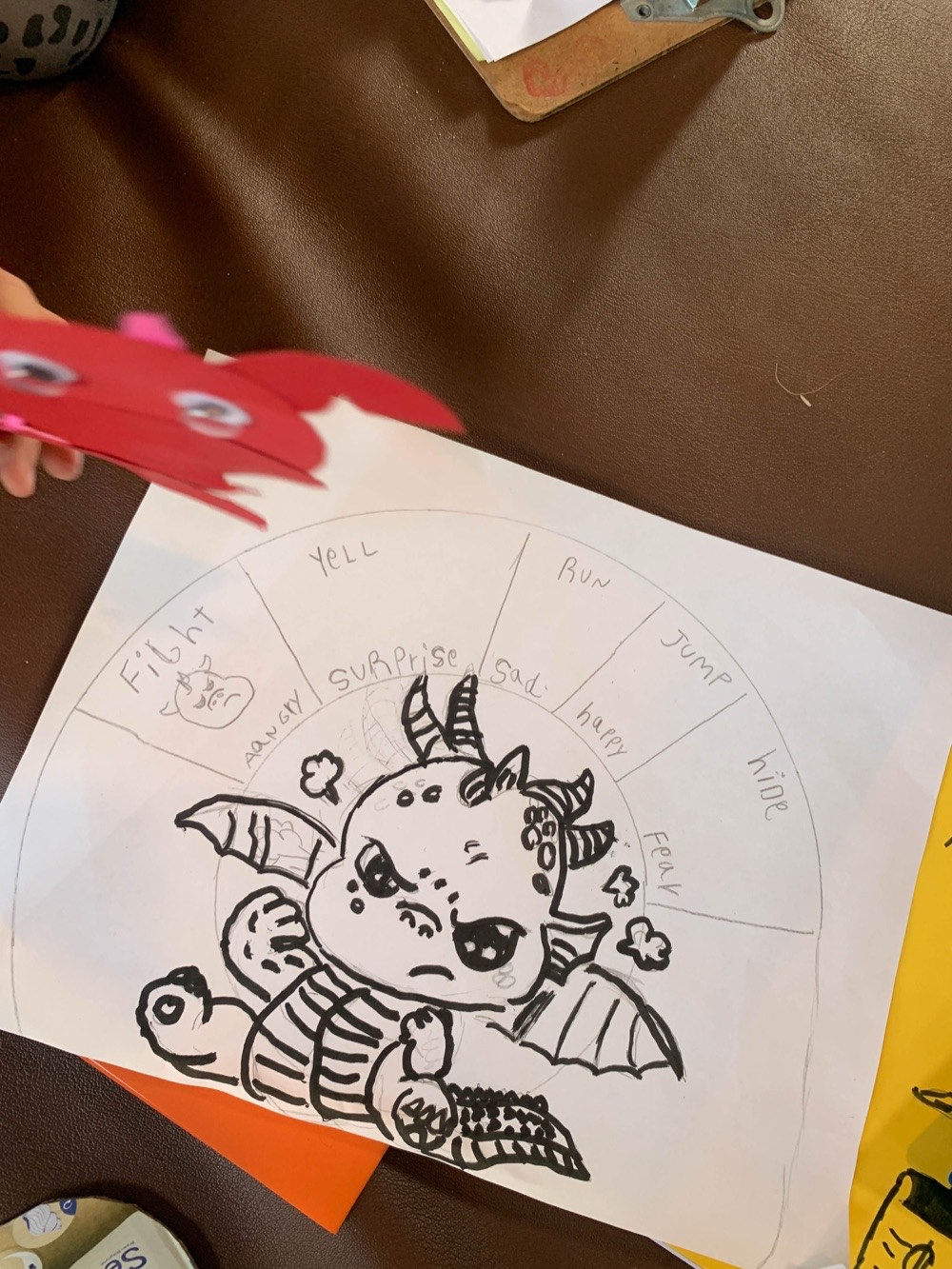
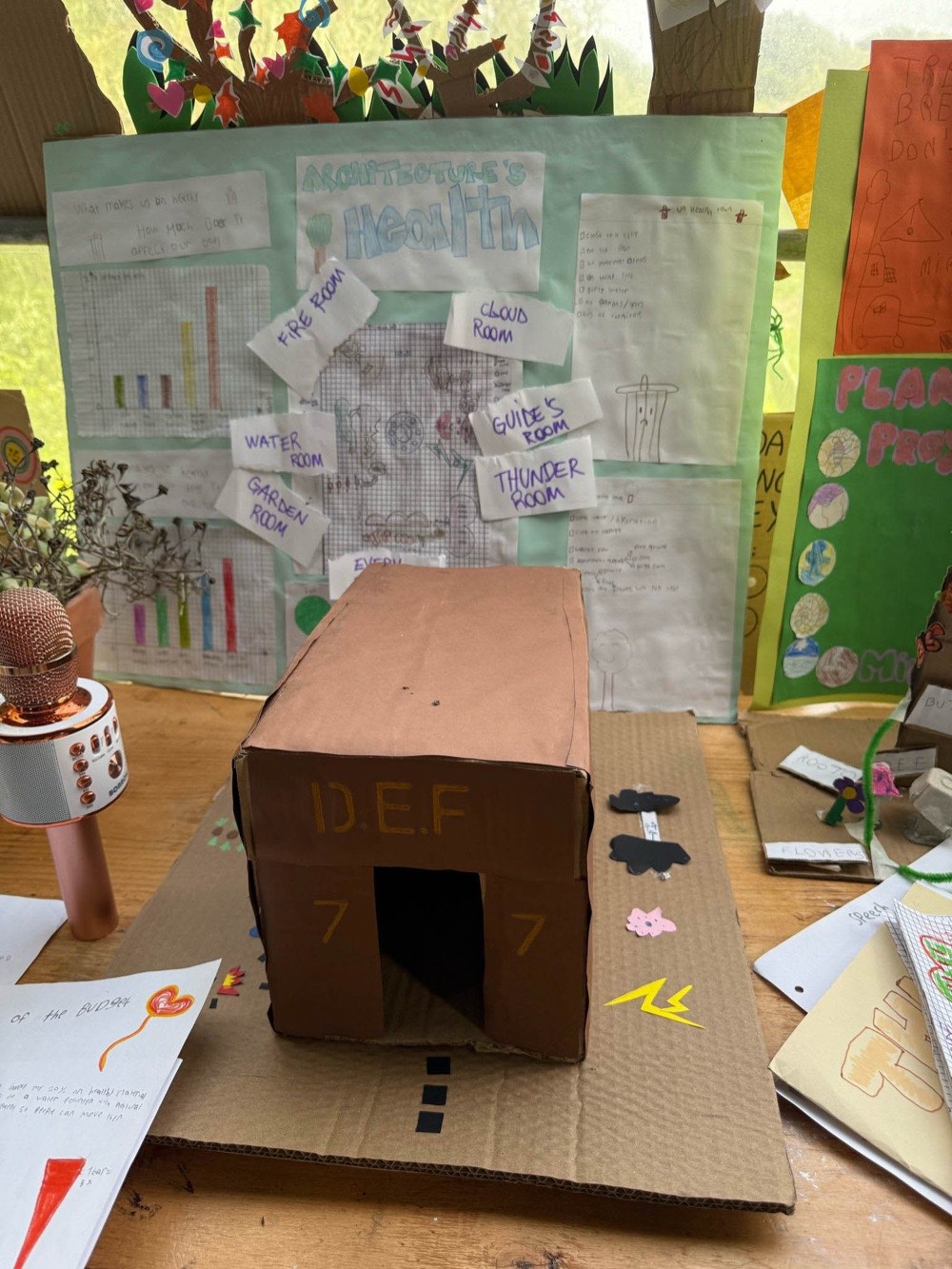
A child-built model and project posters from a Forest Studio quest
Project quests and artefacts
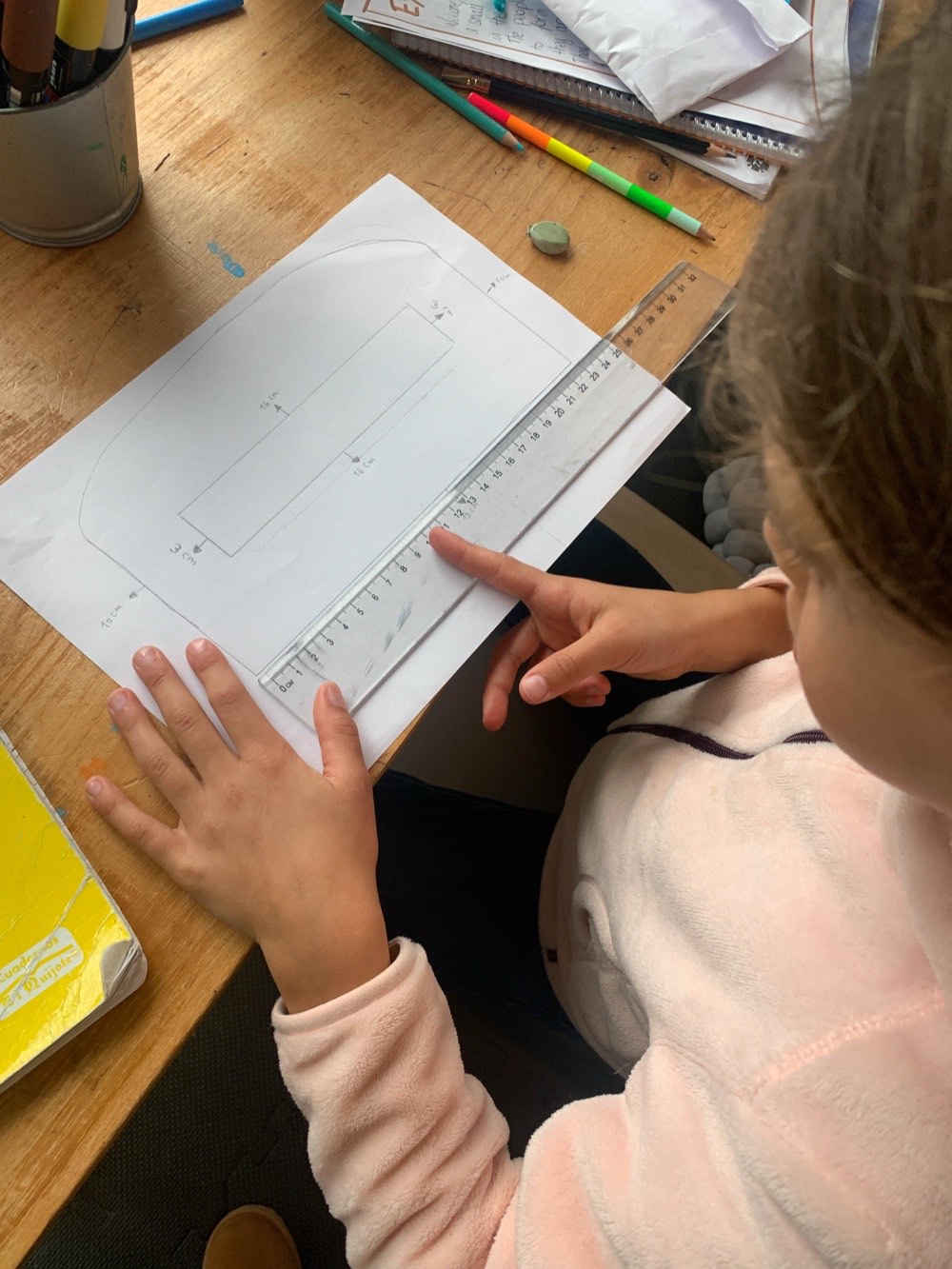
A child measuring and drawing a plan during focused practice
Focused practice and planning
A child's documented reflection from a learning portfolio
Documentation and portfolios

Still developing

Honest about what is still in progress.

  • longer-term curriculum progression
  • a more consolidated assessment framework
  • systematic evidence collection
  • expanded guide development
  • clearer longitudinal documentation
  • scaling the model to additional groups and sites
  • licensing or certification questions (subject to legal and strategic review)

An honest note

What this case study does not claim.

Forest Studio is an evolving learning environment. This documentation shows what was designed, implemented and reviewed. It should not be used to claim guaranteed educational outcomes, superiority over other school models, long-term developmental effects, independently validated impact, or formal accreditation of a methodology.

Related work

Developing something with similar questions?

Share what you are building, refining or trying to bring into practice, and we can consider whether my experience is relevant.