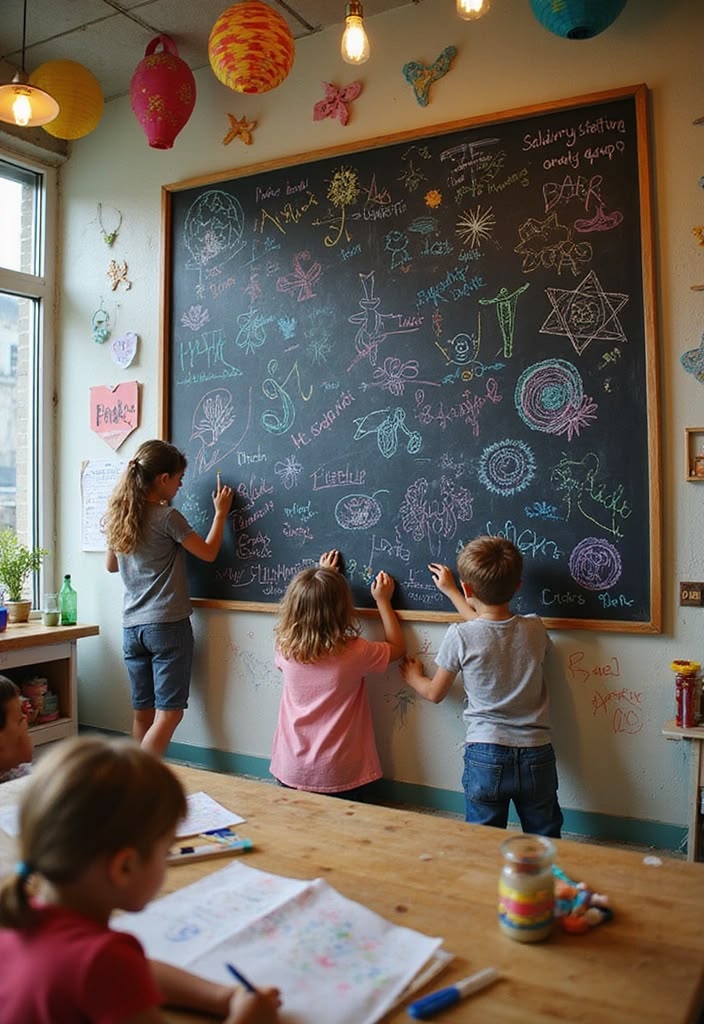
Bachelor in Educational Sciences
University of Geneva
About Marina
I am an educational consultant, pedagogical leader, curriculum designer and instructional coach. My work sits at the intersection of relationships, curriculum, adult learning, educational research and the practical realities of creating learning environments.
My professional journey
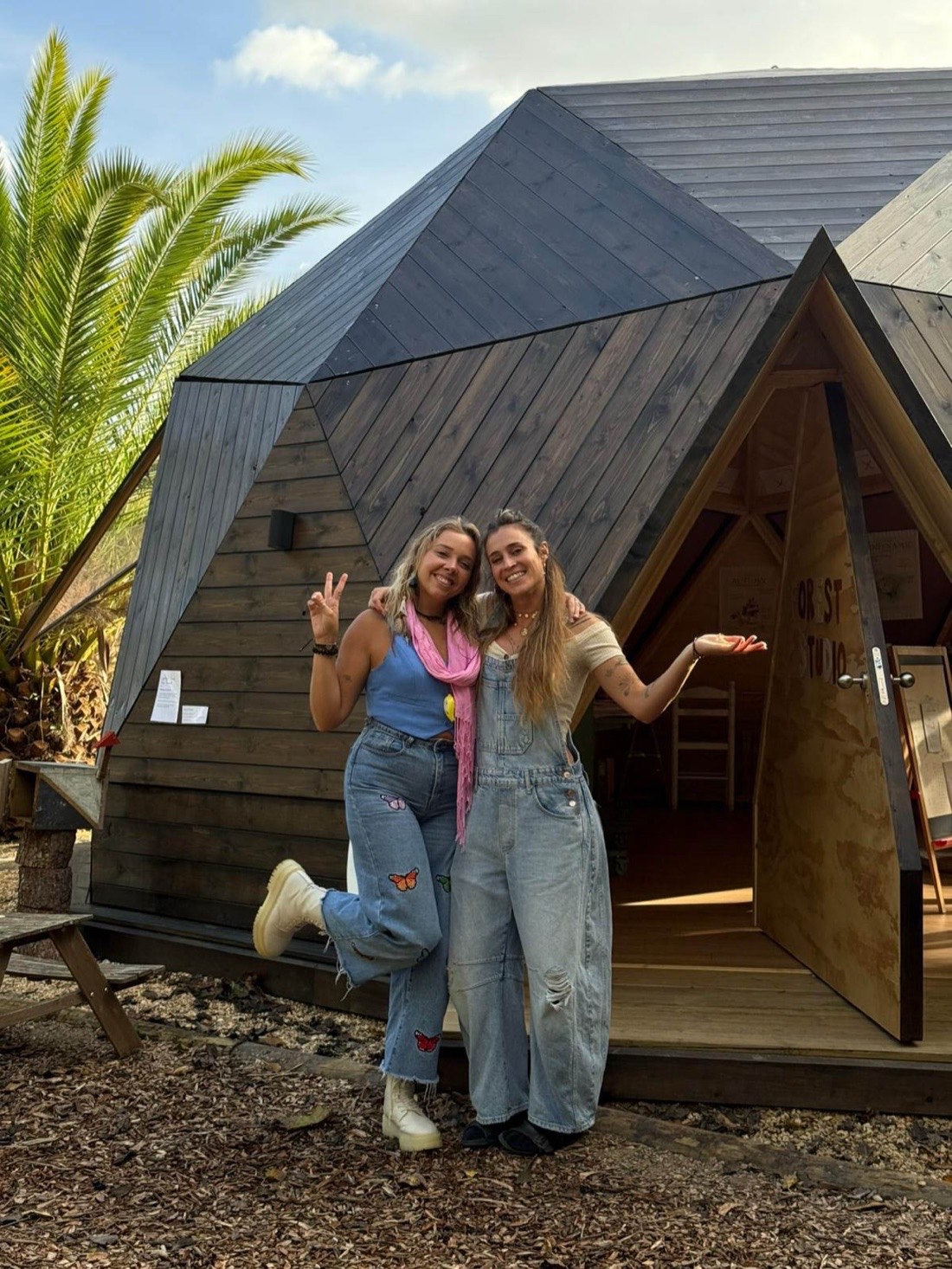
I began as a teacher, and over time my attention shifted to the wider conditions that shape a learning day.
Questions that guide my work
These questions led me toward pedagogical coordination, curriculum architecture, instructional coaching, learning-environment design and educational research. I now work with the whole educational system around the child.
International education
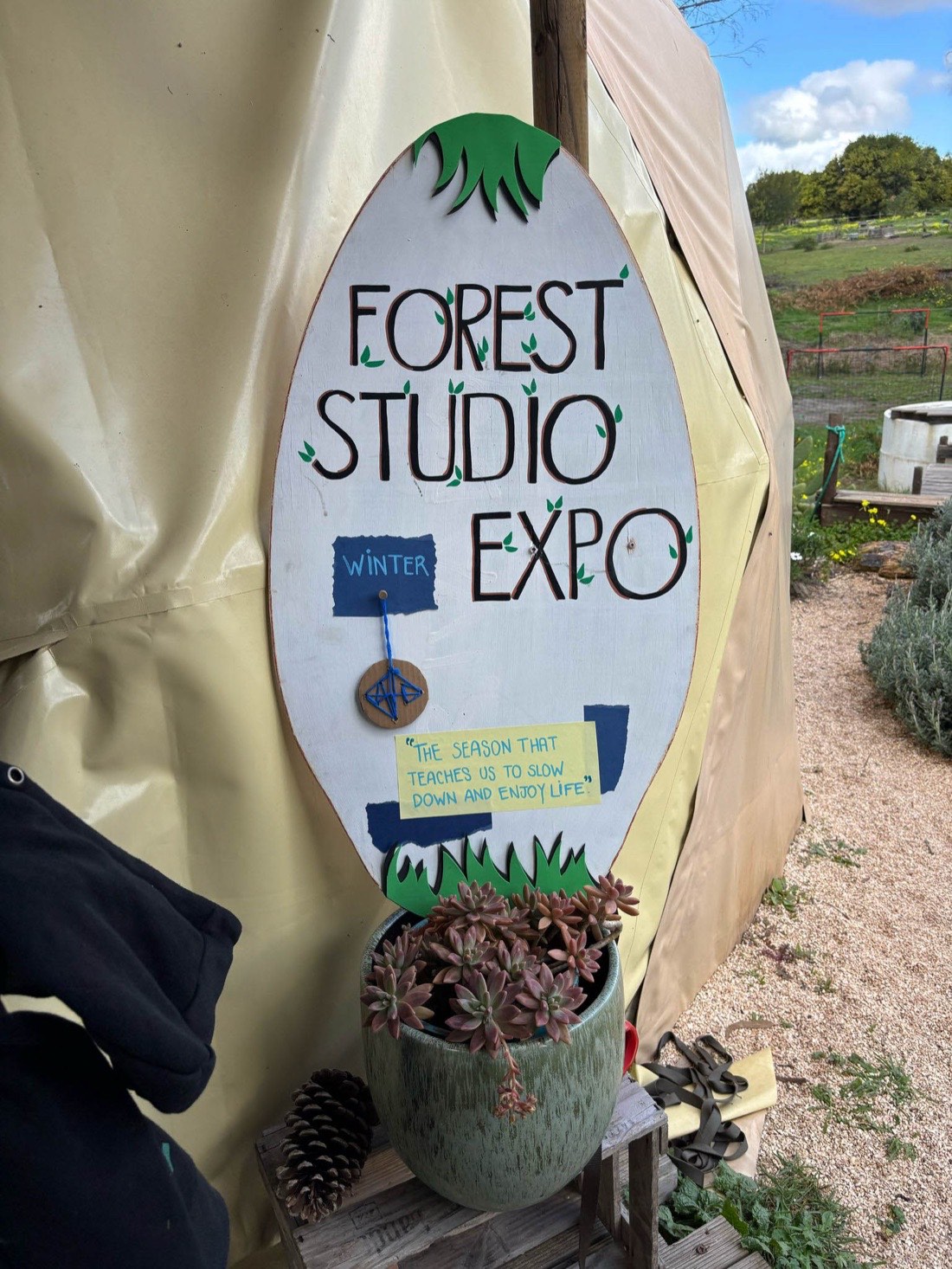
I grew up in international education and have worked in multilingual and international learning environments. This informs how I understand the opportunities and complexities that arise when schools bring together different languages, traditions, cultures and expectations.
I offer work in English, Italian, French, Portuguese and Spanish, and collaborate internationally, including ongoing pedagogical coordination with an international school in Switzerland (named once permission is confirmed).
Current practice
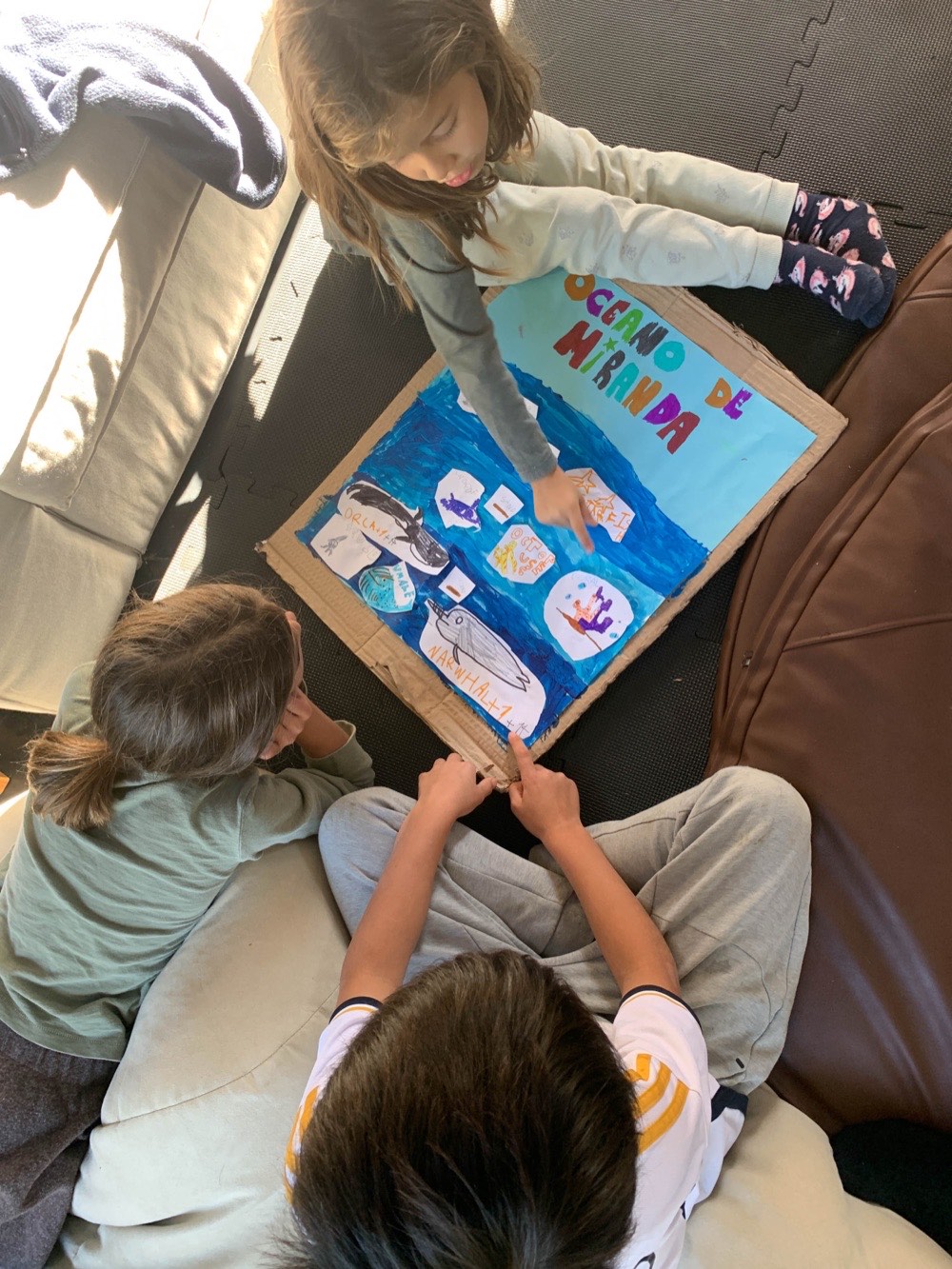
I am the Pedagogical Leader and Coordinator of Forest Studio Comporta. I designed its curriculum, programme content and implementation framework, and I coordinate its pedagogical development on the live site.
This keeps my consulting connected to implementation. Ideas are not treated as complete in documents; they are observed in use, discussed with the people involved and adapted where necessary.
Professional background
University of Geneva
University of Modena and Reggio Emilia
University of Barcelona
Applied experience
What informs my work
I use these as connected lenses rather than fixed formulas, interpreting them for the people and setting involved.
Research on learning, memory, attention, emotion and motivation, interpreted alongside developmental, relational and cultural knowledge rather than converted into universal rules.
Attention to children’s ideas, relationships, environment, and making learning visible through documentation and shared interpretation.
Communication that makes room for feelings, needs, different perspectives, boundaries and shared responsibility, without defining people by single moments.
How curriculum, time, space, roles, routines, assessment and communication influence one another.
Learning through inquiry, purposeful practice, research, making, dialogue and reflection, with projects connected to explicit intentions.
Game structures used where they add meaningful challenge, feedback, participation and repeated practice.
Processes for gathering evidence, understanding progress and deciding useful next steps.
Partnership
First understand people, environment, existing strengths and priorities.
Develop tools and structures that belong to the setting.
Use observations, work samples, conversations and implementation experience.
Organise each collaboration around defined questions, responsibilities, outputs and review points.
Support understanding, thoughtful decisions and constructive next steps when people hold different needs and intentions.
My mission
Not one method or a dramatic promise, but the gradual work of creating more relational, participatory, thoughtful and life-connected learning environments, one curriculum, coaching conversation, learning tool and educational environment at a time.
A place to begin
Share what you are creating, refining or trying to understand, and we can consider the next steps together.