Free family practice
The Feeling Forest.
A 7-day family practice for understanding emotions together. Same difficult moment, again? There may be a pattern worth noticing.
10 minutes to begin · Around 2 minutes a day · No special preparation
How it works
A simple practice for the whole family.
Three gentle moves over one week. Nothing to buy, nothing to get right.
-
Create
Make a personal Feeling Compass.
-
Check in
Add one optional feeling mark each day.
-
Notice
Find one pattern and try one small change.
The aim is not perfect calm.
It is clearer language, more understanding, and a more supportive next step.
Step 1 · Create
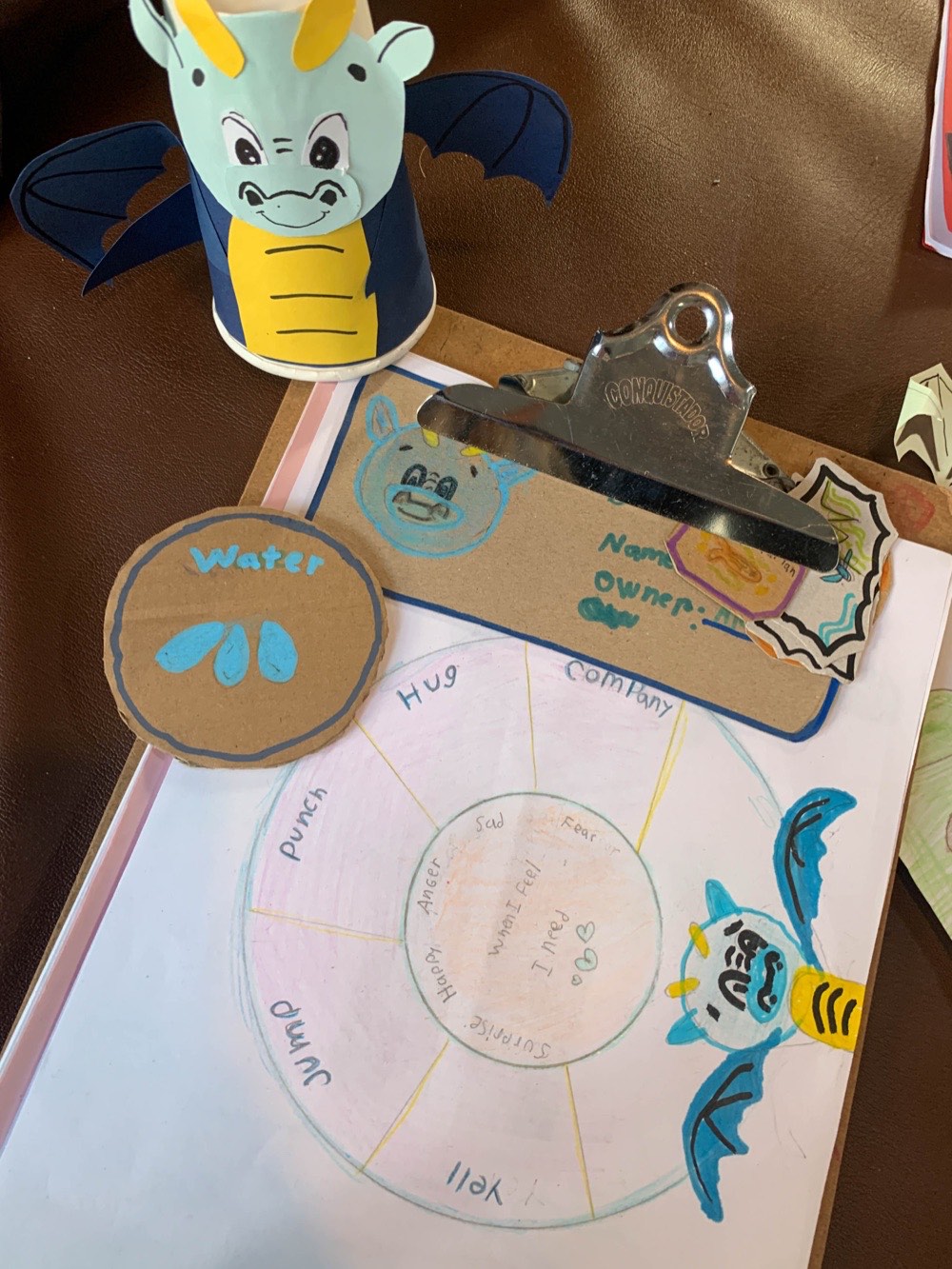
Create your feeling compass.
Feelings can offer clues. They do not point to one fixed need or one correct response.
This Feeling Compass was created by a nine-year-old, who chose Spike, a baby dragon, as the centre and connected different feelings with actions that sometimes helped.
“When I feel sad, I need to run.”– Spike the dragon, age 9
Running is one possible strategy. On another day, the same person might prefer rest, company, quiet, or something else.
Step 2 · Check in · Days 1–7
Grow your feeling tree.
One check-in shows a moment. Seven can begin to reveal a pattern.
Each family member can create a Feeling Tree and a personal emotional key. Add one mark to your tree each day – choose a moment that already exists, such as after school, before dinner, or at bedtime.
“A part of me is feeling tense after a busy day. I may need a little quiet. I’m going to sit outside for two minutes.”– Adults model first
Kind reminder: safety and connection come before reflection.
Step 3 · Notice
After seven days.
What did our Feeling Forest help us notice? Look first at your own tree. Share only what you choose.
Ask together
- What feeling or part of me appeared often?
- When did it tend to appear?
- What seemed to support me?
- What might we adjust in our timing, transitions, expectations, space, or communication?
Choose one small experiment
- “We will give a five-minute warning before leaving.”
- “We will keep the first ten minutes after school quiet.”
- “We will ask before offering advice.”
- “We will place tomorrow’s plan where everyone can see it.”
Try the change for one week, then reflect again.
A gentle impact check
Did we…
- use more specific feeling words?
- identify or ask for support?
- pause before immediately solving or correcting?
- notice one recurring context?
- try one small change and reflect on it?
This is not a scorecard. It is a way to notice what you are learning together.
Optional
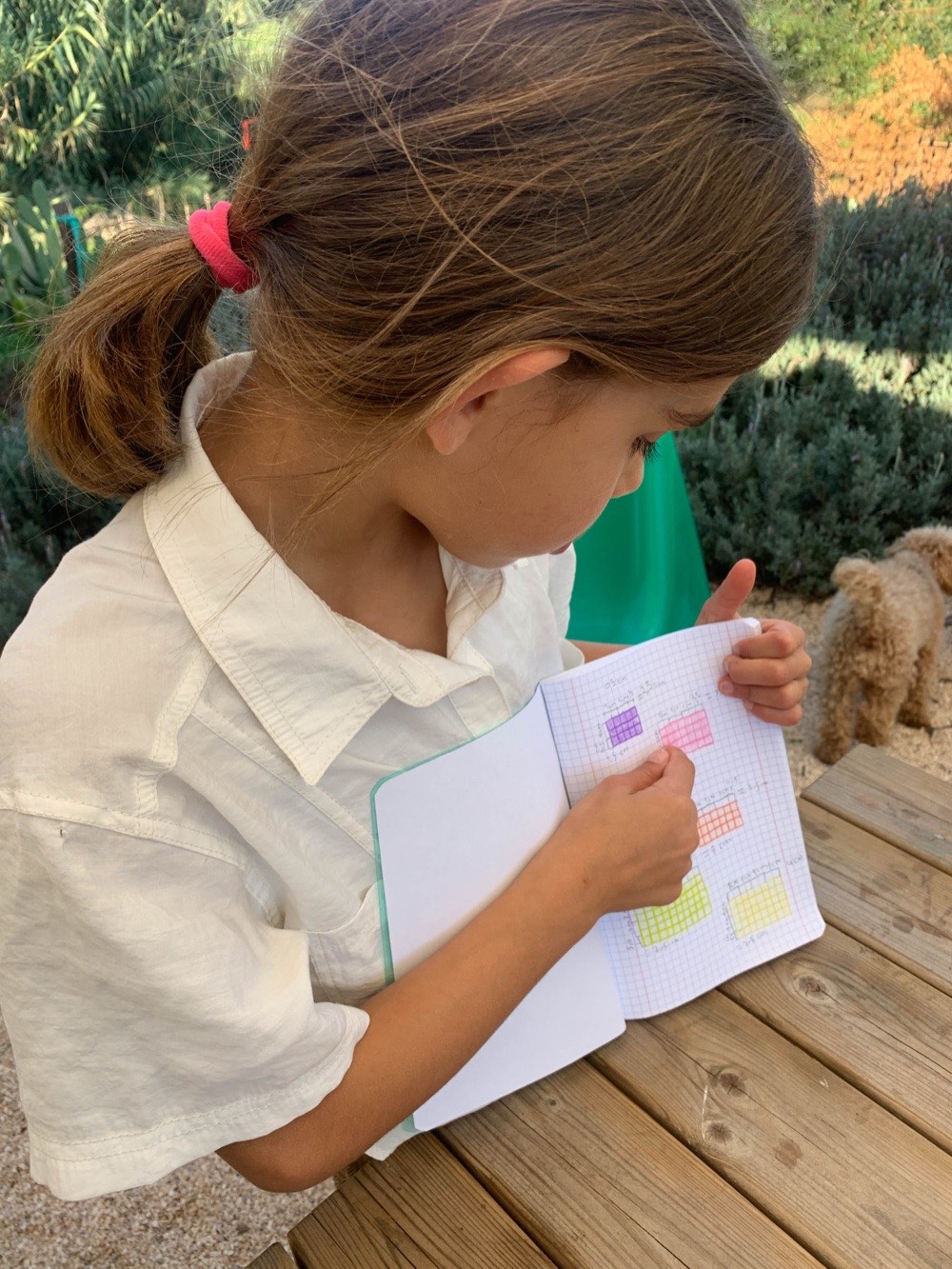
Turn your week into a simple picture.
Count the symbols or words you recorded and create a simple graph.
The graph shows what was recorded most often. It does not explain why it happened, how intense it felt, or what anyone “is like.”
Noticing is the first step
The Feeling Forest can help you see a pattern. Personalised support can help you understand the wider conditions around it – and design changes that fit your family.

Family Learning Ecosystem Consultation
Ready to go deeper than noticing?
Together, we can explore a recurring moment, examine the rhythms and conditions shaping it, and create a practical plan that works in your real family life.