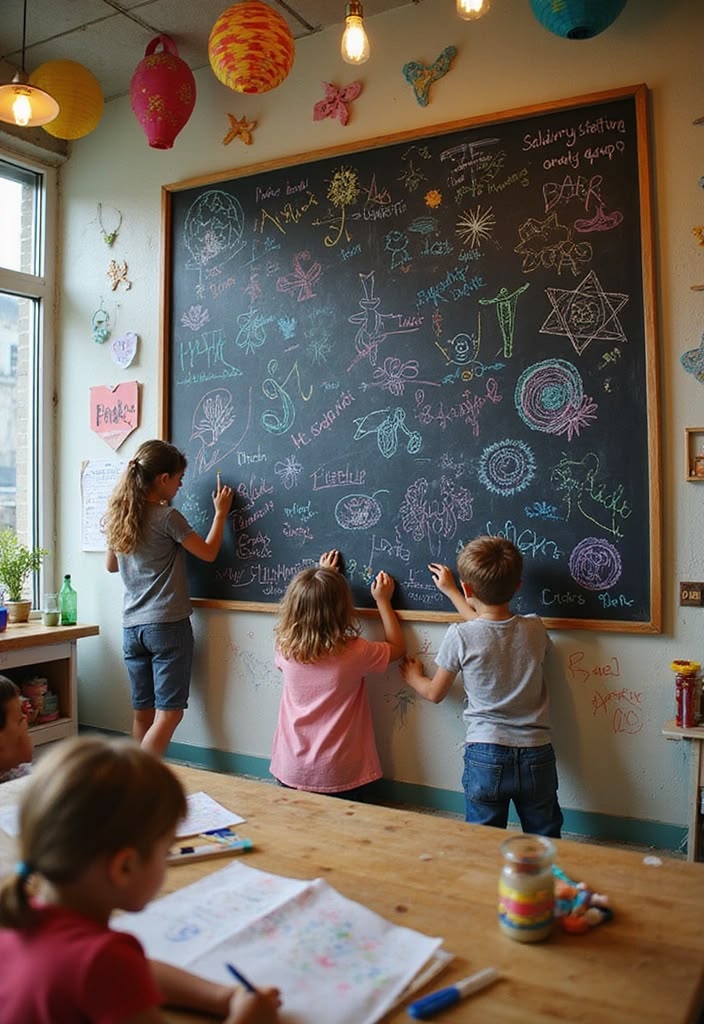
Learning Environment & Programme Design
For schools, founders and learning communities developing or refining an educational model, curriculum or programme.
Explore programme designEducational consulting & pedagogical design
I partner with schools, founders, educational teams, and families to design coherent programmes, curriculum, systems and learning experiences. The work begins with your context and connects educational vision with the structures people need to put it into practice.
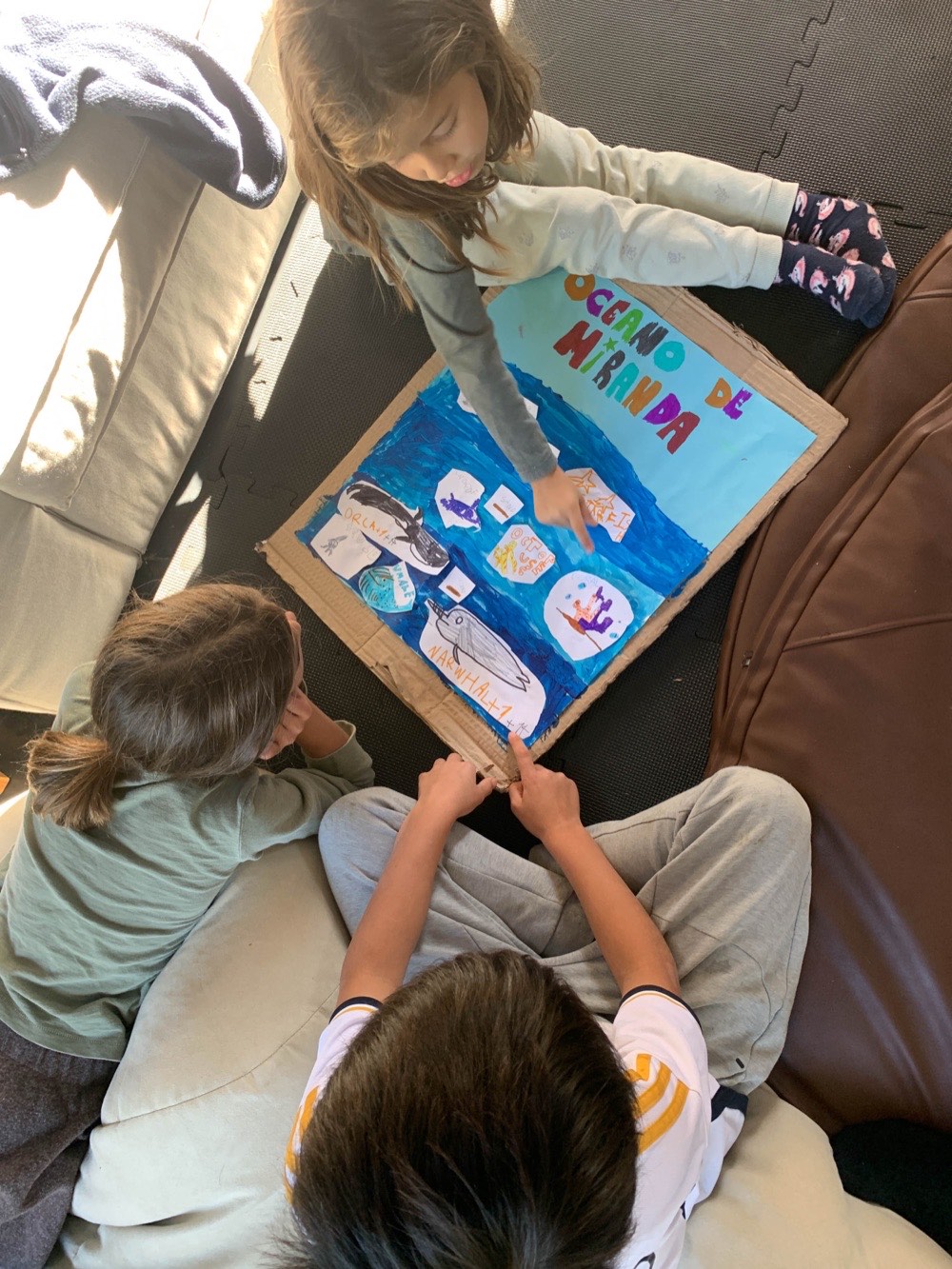
Ways to work together
Each collaboration begins with the people, environment and questions already present.
For schools, founders and learning communities developing or refining an educational model, curriculum or programme.
Explore programme designFor leaders, coordinators, teachers and guides developing shared practice, curriculum and implementation.
Explore leadership and coachingFor families seeking a coherent, practical approach to learning at home.
Explore family learning supportCustom workshops and facilitated learning sessions are available across all three areas. Enquire about a workshop
What we can build
Clarify the principles, priorities and curriculum structures that guide educational decisions.
Connect inquiry, explicit goals, knowledge, skills, creativity and reflection through purposeful programme design.
Create shared planning, observation, communication and professional-learning processes.
Develop practical ways to gather evidence, notice progress, communicate learning and identify next steps.
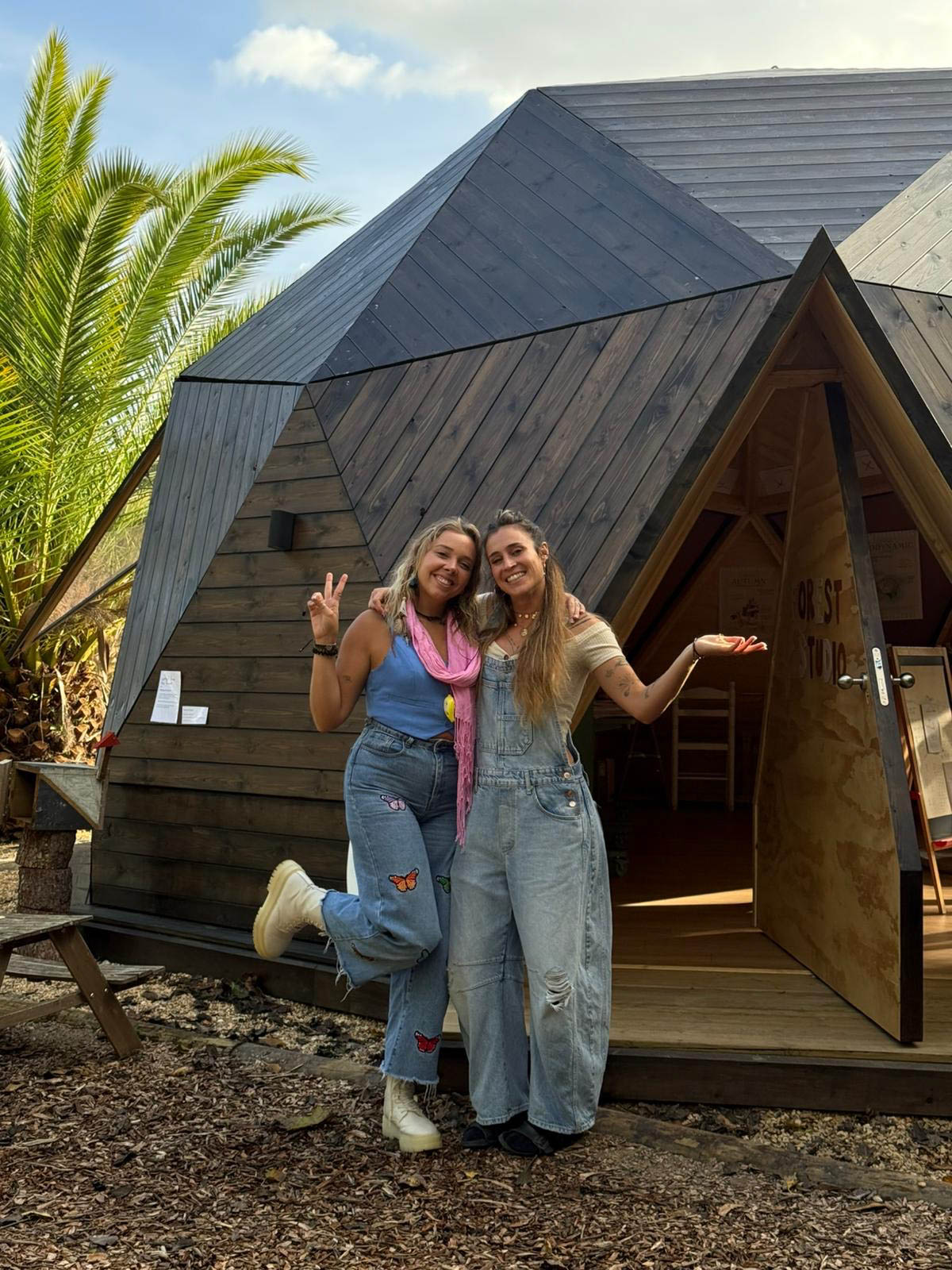
My Projects – Forest Studio
I am the Pedagogical Leader and Coordinator of Forest Studio Comporta, a multi-age, nature-connected and project-based learning environment. I designed its curriculum, programme content and implementation framework and coordinate the pedagogical development of the live site.
How I work
There is no standard solution placed over every environment. The process begins with context and returns to it throughout the work.
Look closely at the environment, relationships, routines, learning evidence and existing systems.
Clarify strengths, priorities, needs and the central question the work should address.
Co-create focused curriculum, tools, structures or experiences suited to the context.
Introduce the work through facilitation, coaching, modelling or supported implementation.
Review evidence and experience, then refine what needs further development.
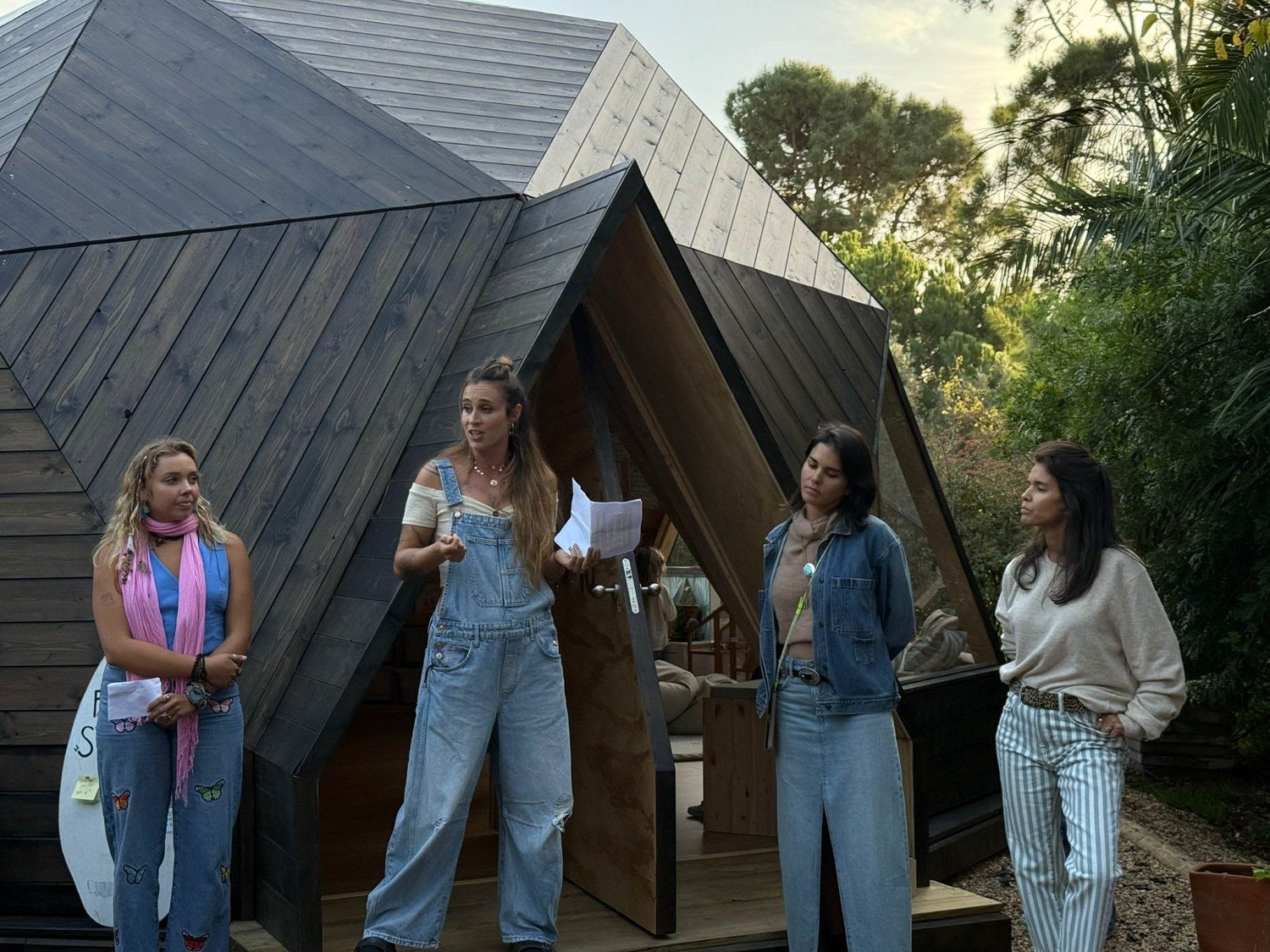
Meet Marina
I am an educational consultant, pedagogical designer and instructional coach, working across educational sciences, pedagogy and neuroeducation. I currently lead the pedagogical development of Forest Studio Comporta and work internationally in English, Italian, French, Portuguese and Spanish with both institutions and families.
Practical resources
Short, adaptable practices for families and educators – each pairing a clear idea with something you can use right away.
A free seven-day family practice for noticing, naming and understanding emotions together.
What clients say
Real reflections from educators, families, and learning communities who trusted me to help bring their educational vision to life.
Working beside Marina was one of the most enriching experiences of my professional life. The care she brings to designing holistic, human-centred learning is of an incredibly high standard.
She challenged me every day to become a better educator.
Afonso
Educator, learning community
A place to begin
You may be developing a new learning environment, refining an established programme, supporting a team or creating a more coherent approach to learning at home. An introductory conversation gives us space to clarify your context, consider what kind of support may be useful and decide whether working together is a suitable next step.